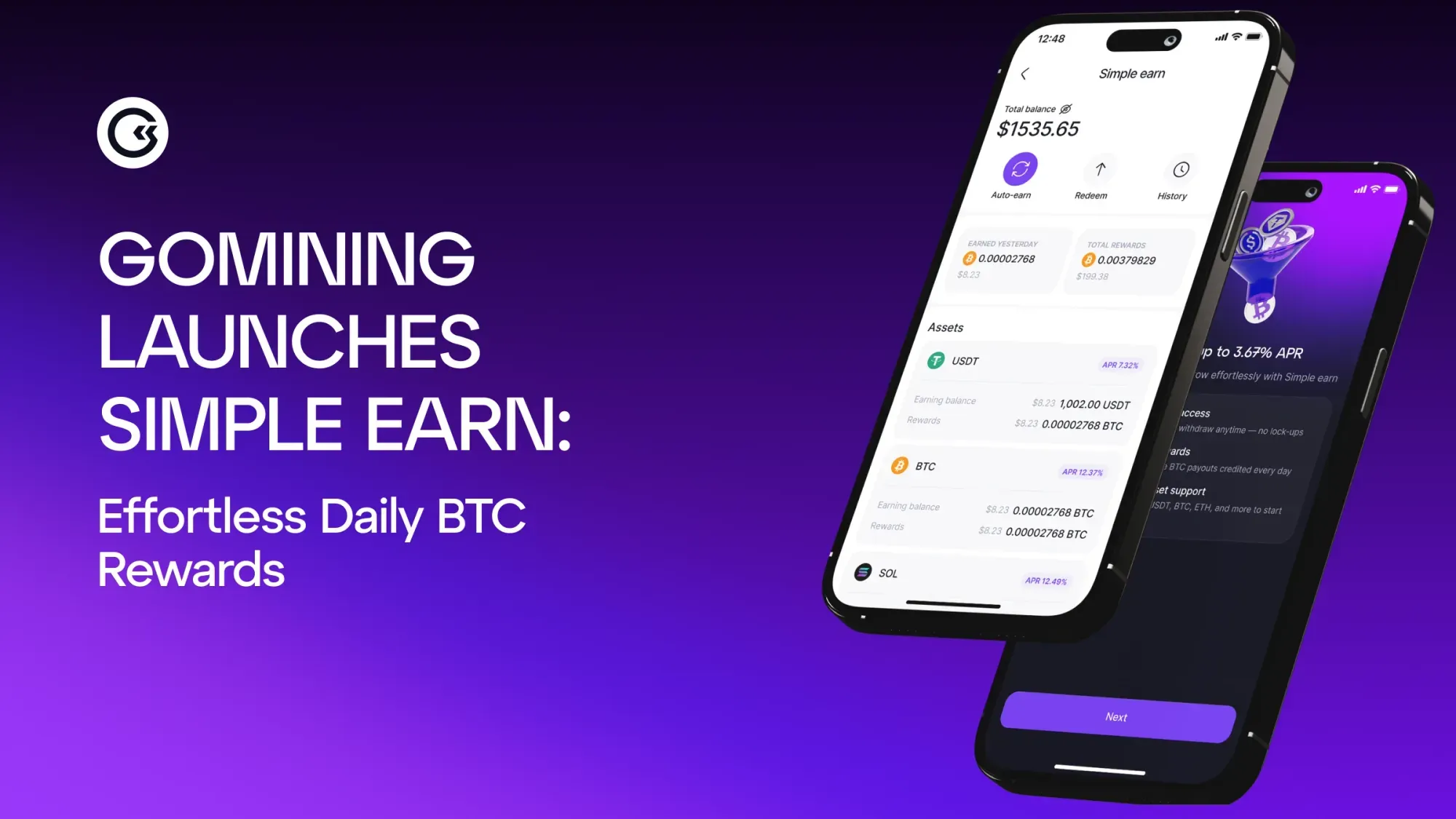
Staking - Definition and Complete Guide to Earning Rewards in Crypto

Staking - Definition and Complete Guide to Earning Rewards in Crypto

Staking is a way for participants who own cryptocurrency to ensure the functionality and security of the blockchain.

In systems that use the Proof of Stake (PoS) consensus algorithm, users do not perform computational operations, as is the case with mining. Instead, they lock their digital assets in a special wallet or on a validator, thereby helping to confirm transactions and maintain the correct functioning of the network. For this contribution, participants receive a reward in the form of new coins.

Staking plays a key role in maintaining decentralized networks, as it is the validators who ensure the correct operation of the blockchain. To participate in this process, they lock their own crypto assets, thereby confirming transactions and maintaining network stability. The rewards they receive serve as a financial incentive to perform their duties conscientiously.

As of 2025, the staking mechanism in the Ethereum ecosystem protects assets worth over $45 billion, which significantly increases the stability and reliability of the network. Additionally, it is worth noting that the Proof of Stake model consumes approximately 99% less energy than the traditional Proof of Work, making it a significantly more environmentally friendly and modern solution for blockchain infrastructures.

Source: Еcos.am

Advantages of cryptocurrency staking

Participating in staking has a number of strengths that make this mechanism attractive to digital asset holders.

1. Passive income. Users who lock their coins receive rewards in the form of new tokens. In essence, this can be compared to earning interest on a bank deposit: the asset works independently and generates additional profit over time. This makes staking one of the most accessible ways to earn passive income in the crypto sphere.

2. Environmental friendliness. Unlike PoW-based mining, which requires enormous computing power, staking consumes virtually no electricity. The lack of need for expensive equipment and minimal load on power systems make this method much more environmentally friendly and contribute to reducing the carbon footprint of the industry.

3. Strengthening blockchain security. The locking of funds by participants is an important element of network protection. The more tokens are staked, the more difficult it is for attackers to compromise the system. The high level of staker involvement creates a stable, reliable infrastructure and increases trust in the network as a whole.

Source: B2broker

A number of digital assets have gained widespread popularity thanks to their stable ecosystems, transparent reward models, and reliable consensus mechanisms. Among the most popular options are the following:

1. Ethereum (ETH). After the network transitioned to the Proof of Stake mechanism, the updated Ethereum offers users the opportunity to receive rewards for participating in staking. The ecosystem is actively developing, making ETH one of the key currencies for long-term participation.

2. Cardano (ADA). The project is known for its science-oriented approach to development and strong community. ADA staking is characterized by stable conditions and attractive returns, making it popular among novice and experienced investors alike.

3. Polkadot (DOT). This ecosystem is designed for interaction between different blockchains and supports a complex multi-chain architecture. Thanks to nomination mechanisms and the work of validators, DOT staking offers flexible and interesting opportunities for generating income.

4. Tezos (XTZ). Tezos is a self-upgrading blockchain with a focus on community governance and participation. The baking process (similar to staking) allows users to earn stable rewards while maintaining a high level of decentralization.

Does staking carry risks?

Absolutely — and they cannot be ignored. The main threats that a staking participant may face include the following:

1. Impermanent Loss. The price of tokens held in staking can fluctuate significantly. If the value of the asset drops sharply, the holder risks incurring a loss, even despite the accrued rewards. Some blockchains also introduce fixed lock-up periods when it is impossible to withdraw funds. This reduces flexibility and makes the asset less liquid in unexpected situations.2. Technical threats. It is important for validators to maintain correct software settings and ensure uninterrupted operation of equipment. Any malfunctions, configuration errors, or prolonged offline periods can result in penalties (slashing) and even partial loss of staked funds. An additional risk is bugs or vulnerabilities in the smart contracts of platforms where staking takes place, as well as on exchanges offering similar services.

3. Legal regulation. Legislation in the field of cryptocurrencies and staking is still evolving, and requirements may vary from country to country. Users need to keep track of regulatory changes in their jurisdiction to avoid violations related to taxes, licensing, or rules for using digital assets.

Staking strategies

There are several approaches that investors use to increase the effectiveness of their participation in staking. The most common ones are presented below.

1. Individual staking and participation in pools. Solo staking is a format in which the cryptocurrency owner independently locks their assets and gains full control over all rewards. This option requires certain technical skills and a sufficient number of coins to participate in validation on a regular basis.

Staking pools, on the other hand, combine the funds of multiple users. The collective power increases the chances of being selected as a validator, which means receiving rewards. They are suitable for those who do not have a large amount of capital or are not ready to maintain equipment and software on their own.

2. Delegating stakes. Many PoS blockchains allow users to transfer their coins to a selected validator. The user remains the owner of the assets, while the delegate takes care of the technical side. Rewards are distributed among participants in proportion to their share. This method is convenient for beginners and those who do not want to run their own node.

3. Asset diversification. Distributing staked funds across different projects, tokens, and platforms reduces overall risk. This approach helps to offset potential losses in one network while increasing the chances of stable income. Diversification is especially useful in volatile markets and in a rapidly evolving blockchain environment.

In conclusion

If you have read this article to the end, you now have a good understanding of what staking is and why it plays such an important role in the digital asset industry. This mechanism not only opens up the possibility of earning additional income, but also contributes to the security and efficiency of blockchain networks.

By understanding its advantages, potential risks, and various approaches to participation, you will be able to make more informed decisions and successfully take advantage of the opportunities offered by the PoS economy.

Whether you are a beginner or already have experience with cryptocurrencies, staking provides an accessible and promising way to be involved in shaping the future of decentralized technologies and reap tangible benefits from it.Subscribe and get access to the still free GoMining course on crypto and Bitcoin https://academy.gomining.com/courses/bitcoin-and-mining

November 27, 2025

GoMining News

Vous pourriez être intéressé par :