Mining di Bitcoin
Miner Digitali
Guadagna premi BTC giornalieri in modo semplice
Calcolatore dei premi
Stima i tuoi potenziali premi in BTC
Gettone GOMINING
Scopri come GOMINING aumenta i tuoi premi di mining
Miner Wars
Gareggia e guadagna BTC e GOMINING
Portafoglio
Portafoglio
Acquista, invia e ricevi criptovalute in modo sicuro
Carte cripto
Paga con cripto online e nei negozi
Portafoglio Web 3.0
In arrivo
Finanza
Simple earn
Guadagna BTC sulle tue cripto senza bloccarle
Prestiti
In arrivo
Launchpad
Accedi ai progetti cripto in fase iniziale
Viaggi
Viaggi
Prenotare hotel e voli in tutto il mondo
eSIM
In arrivo
Impara
Academy
Impara gratuitamente le cripto passo dopo passo
Blog e notizie
Rimani aggiornato con approfondimenti e tendenze
Aiuto al cliente
Trova risposte rapide o contatta il nostro team di supporto
Glossario cripto
Termini chiave cripto spiegati in modo semplice
Programmi di benefit
GoClub
Club esclusivo per i possessori di avatar GoMiner
GoMiners
Possiedi un avatar GoMiner e sblocca vantaggi unici
Programma di riferimento
Invita gli amici e guadagna ricompense extra
Programma VIP
Aumenta il tuo stato VIP e accedi a vantaggi più elevati
Azienda
Info generali
Su di noi
Cosa rappresenta GoMining e come è iniziato tutto
Lavora con noi
Lavora con un team cripto globale
Contatti
Per richieste di supporto o partnership
Tokenomics
Struttura, utilità e flusso di token di GOMINING
Recensioni GoMining
Cosa dicono milioni di utenti di GoMining
Per i partner
Consiglio di amministrazione
Esperti che guidano la visione a lungo termine di GoMining
Rapporti e risultati
Rapporti di trasparenza e aggiornamenti sulle prestazioni
Fornitori di servizi
Partner infrastrutturali di fiducia
Institutional
Soluzioni di mining Bitcoin di livello istituzionale
Iscriviti
Accedi
Accedi
Iscriviti
IT
Siete usciti dall'universo GoMining
Qui non c'è nulla: né gettoni, né blocchi, né polvere di stelle. Torniamo alla base
Ritorno a casa
GoMining News
Tutte le notizie
March 20, 2026
Concorso di Referral Simple Earn: Vinci una Parte di 100.000 GOMINING
February 10, 2026
Cards for Friends: invita gli amici, sblocca ricompense e vinci premi
February 10, 2026
Le GoMining Cards si espandono — ora disponibili in oltre 130 Paesi
February 6, 2026
Restate forti. Credete in Bitcoin
February 6, 2026
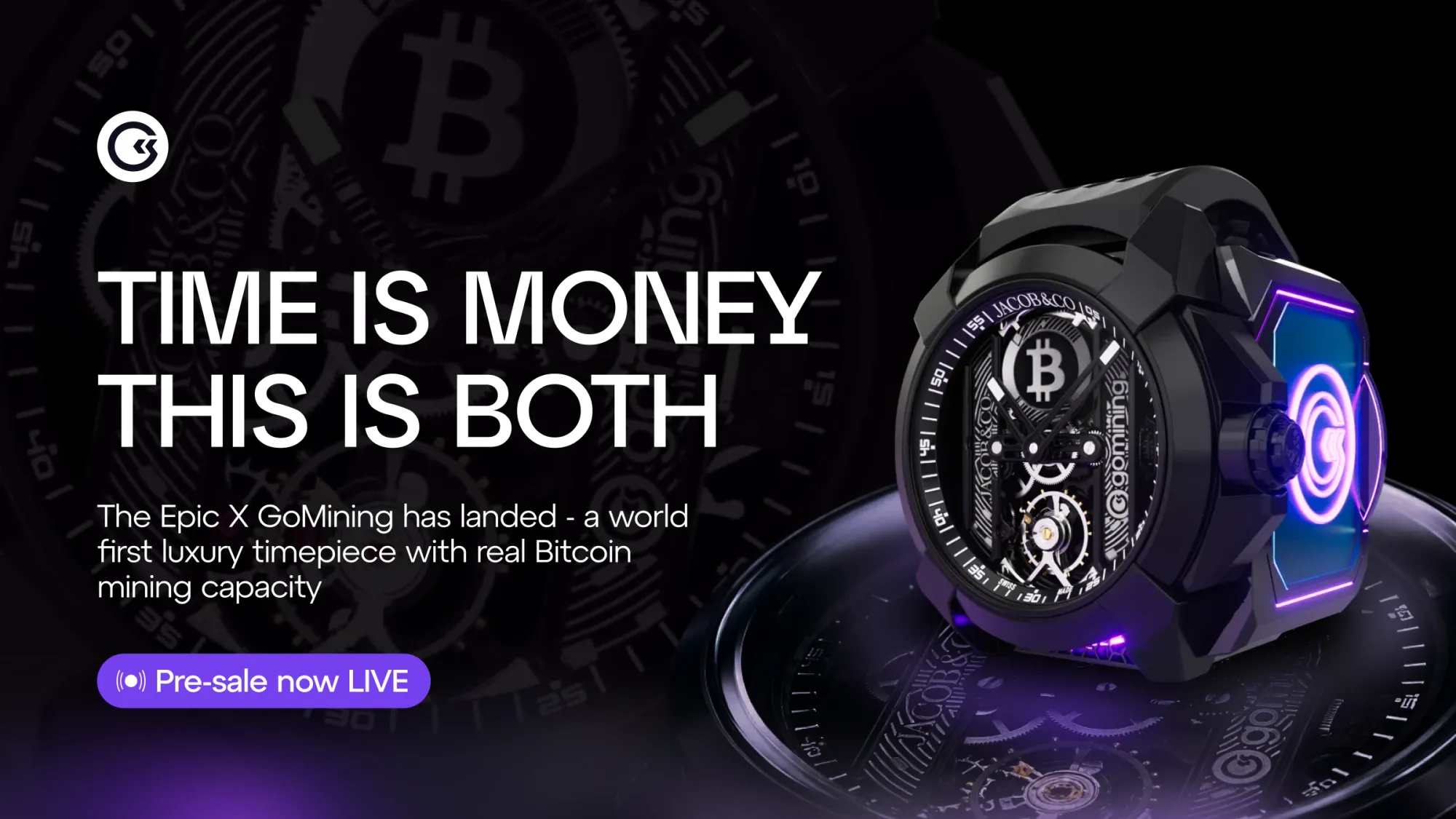
Epic X GoMining: ordini ora disponibili sul GoMining Marketplace
February 5, 2026
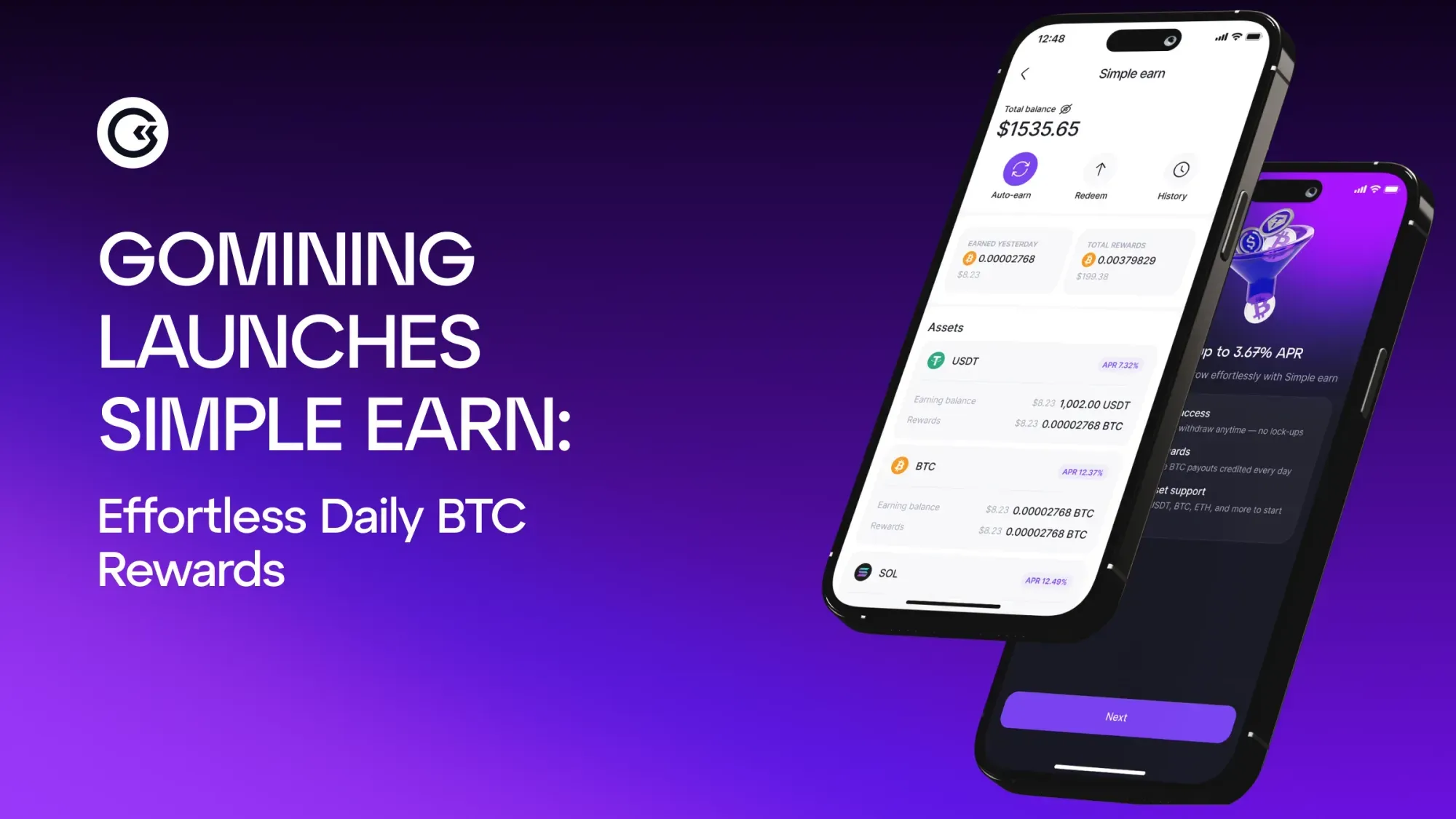
Simple Earn è qui — Guadagna rendimenti in Bitcoin dai crypto asset inattivi
February 3, 2026
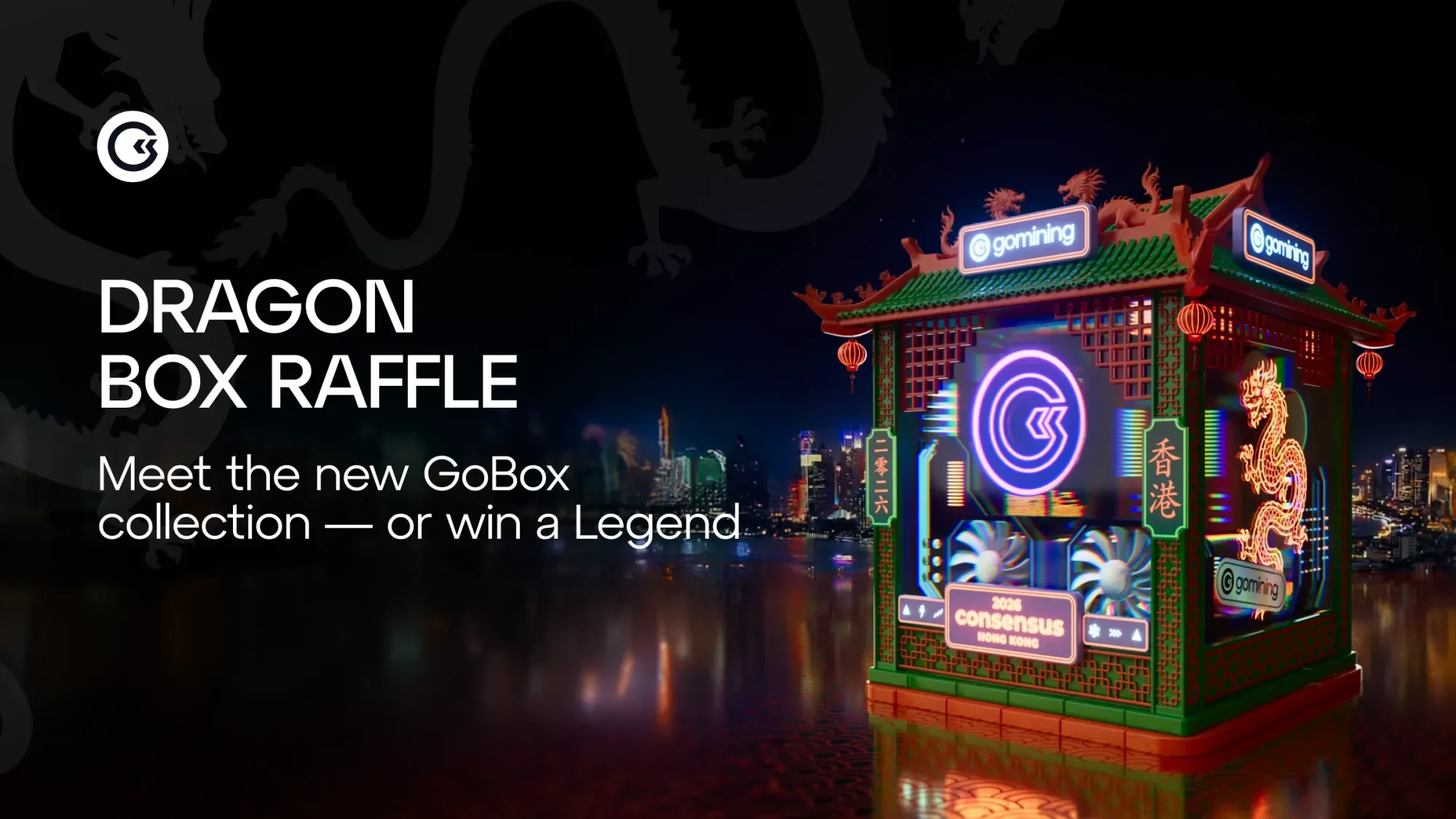
Dragon Box Raffle: scopri un nuovo tipo di GoBox
Potresti essere interessato a:
February 3, 2026
Dragon Box Raffle: scopri un nuovo tipo di GoBox
January 26, 2026
Il rebranding dei token e il suo impatto sul prezzo delle criptovalute
January 25, 2026
Crypto Mindshare: che cos'è e in che modo rappresenta il nuovo Alpha?
January 8, 2026
Le 5 migliori e peggiori previsioni sul prezzo di Ripple (XRP) per il 2026