Хэшрейт: определение, значение и как он работает
Сердцем Биткоина и множества других криптовалют, построенных на алгоритме Proof-of-Work (PoW), является показатель, известный как хэшрейт.
Proof-of-Work (PoW) представляет собой метод верификации транзакций и поддержания защиты блокчейн-сети, при котором участники сети используют вычислительные ресурсы для подтверждения корректности операций.
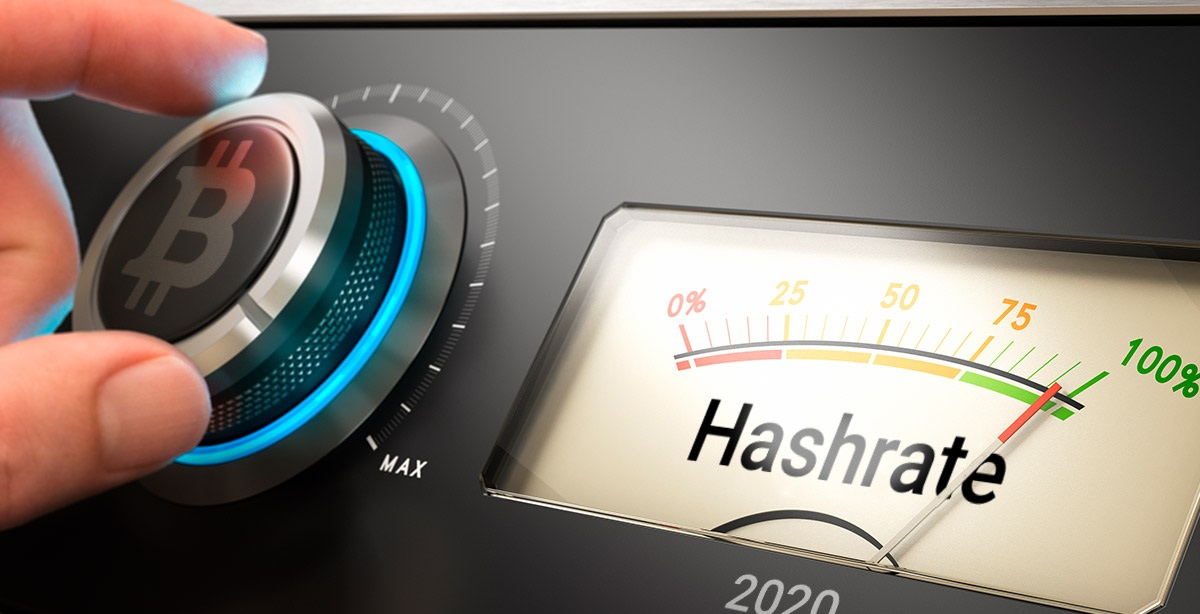
Хэшрейт отражает общую вычислительную мощность, задействованную в процессе майнинга и обеспечении безопасности блокчейн-сети. По сути, это показатель того, сколько криптографических операций по вычислению хэшей майнер способен выполнить за одну секунду, чтобы найти правильное значение так называемый nonce, которое удовлетворяет установленной сложности сети.
Nonce («число, применяемое единожды») — это специальный параметр, который майнеры изменяют при генерации блока, стремясь получить хэш, удовлетворяющий установленному уровню сложности сети.В криптовалютой сфере хэшрейт выступает важнейшим показателем, оценивающим производительность и надёжность блокчейн-сети.
Проще говоря, хэшрейт отражает скорость, с которой вычислительные устройства обрабатывают хэши при проверке транзакций в процессе майнинга.В ходе этих вычислений майнеры стремятся подобрать корректное решение сложной математической задачи, что требует множества попыток.
Эту работу выполняет майнинговое оборудование, обрабатывая данные с помощью специализированных алгоритмов так называемых хэш-функций.
Источник: Blockchainblog.substackКак определяется хэшрейтВо время майнинга оборудование получает набор исходных данных, после чего начинает процесс подбора корректного значения в соответствии с заданным алгоритмом.В зависимости от используемого метода хеширования результат может иметь разную длину и формат, но по сути представляет собой уникальную комбинацию символов.
Для примера, 128-битный алгоритм MD5 генерирует строку наподобие этой:
79054025255fb1a26e4bc422aef54eb4.Скорость подбора таких хэшей напрямую зависит от вычислительной мощности устройства. Чем выше производительность, тем больше попыток система способна выполнять за секунду.Наиболее быстрыми считаются ASIC-устройства, созданные специально для выполнения подобных вычислений. ASIC (сокращение от Application-Specific Integrated Circuit) — это специализированная микросхема, созданная для выполнения одной конкретной функции. 1. Килохеш (kH/s) — 1 000 хэшей в секунду
2. Мегахеш (MH/s) — 1 миллион хэшей
3. Гигахеш (GH/s) — 1 миллиард хэшей
4. Терахеш (TH/s) — 1 триллион (10¹²) хэшей
5. Петахеш (PH/s) — 1 квадриллион (10¹⁵) хэшей
Источник: Blockchainblog.substackЧто влияет на уровень хэшрейта?На скорость генерации хэшей влияет целый ряд факторов, включая:
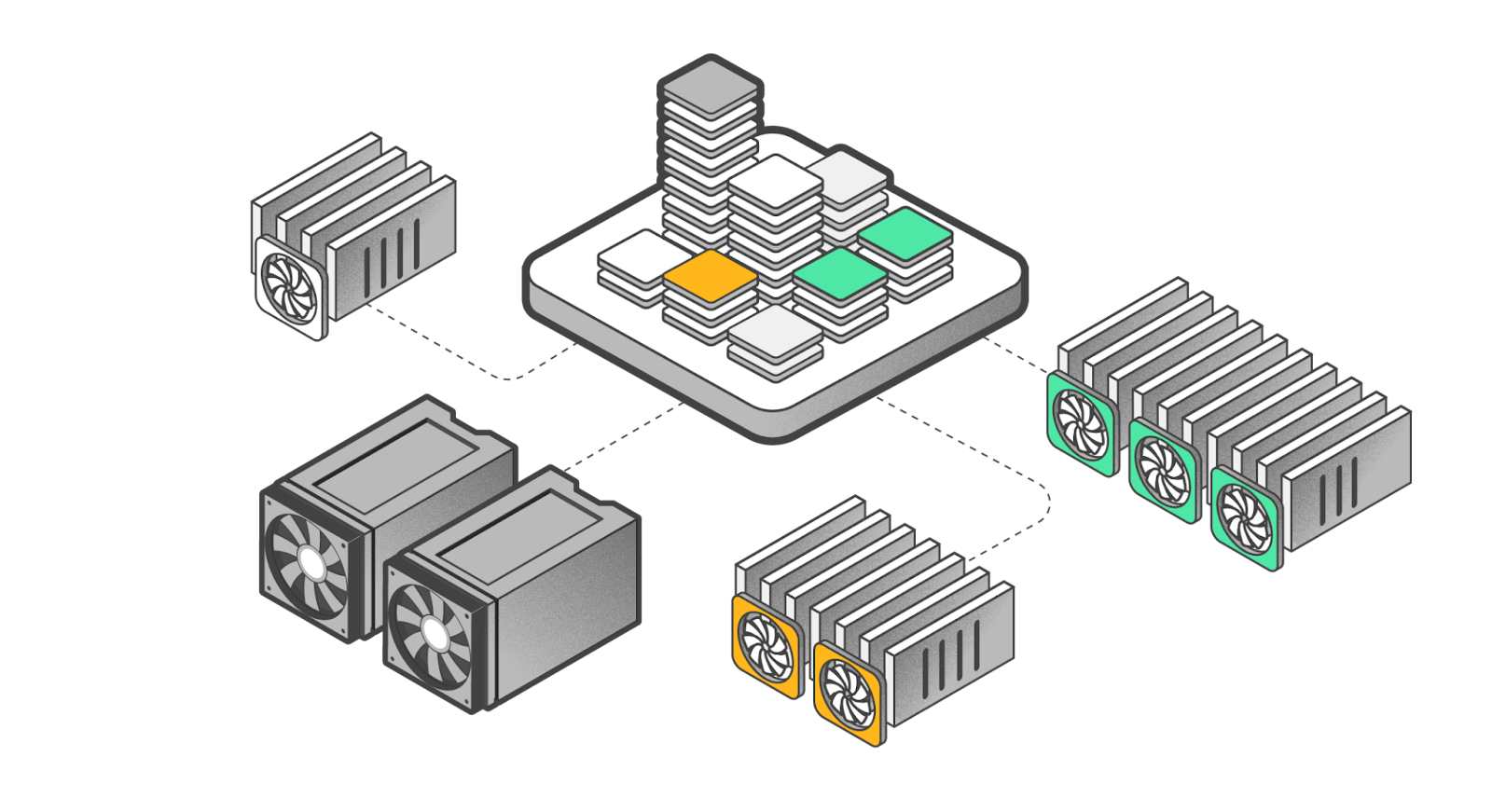
1. Мощность оборудования. Скорость хеширования во многом зависит от типа и характеристик используемой техники. Специализированные ASIC-устройства обычно превосходят по производительности обычные процессоры (CPU) и видеокарты (GPU).
2. Сложность майнинга. В сети Биткоина уровень сложности подбирается примерно каждые две недели, чтобы блоки продолжали добавляться в блокчейн примерно с интервалом в 10 минут.
3. Энергопотребление. Процесс майнинга связан с большими расходами электричества, и стоимость энергии напрямую отражается на рентабельности добычи криптовалют.
4. Состояние сети. Эффективность и стабильность блокчейн-сети оказывают влияние на общий хэшрейт. Надежная и безопасная сеть привлекает больше майнеров, что повышает совокупную вычислительную мощность.
5. Оптимизация программного обеспечения. Майнинговые программы способны повышать эффективность работы оборудования, что может увеличивать скорость генерации хэшей.
Как определить эффективный уровень хэшрейта?Чем больше суммарная вычислительная мощность, задействованная в майнинге, тем надёжнее сеть блокчейна. Значительные ресурсы делают подделку или захват сети чрезвычайно дорогой и маловероятной, в том числе попытки получить контроль над 51% хэшрейта.
Если вы планируете инвестировать надолго, разумно отдавать предпочтение блокчейнам с постоянно увеличивающимся хешрейтом. Например, между 2020 и 2021 годами суммарная вычислительная мощность сети Биткоина увеличилась почти на половину.
Майнерам с ограниченными ресурсами целесообразно начинать с блокчейнов средней сложности. Такие сети менее защищены, но дают больше возможностей для успешного получения блока.
В заключение:Понимание сути хэшрейта позволяет увидеть, почему процесс майнинга некоторых криптовалют требует огромных вычислительных мощностей и значительных энергетических затрат. Этот показатель отражает баланс между доходностью майнеров и устойчивостью всей блокчейн-сети.Будь вы опытным майнером или только начинающим, понимание принципов работы и скорости хэширования позволит лучше ориентироваться в сложной сфере добычи криптовалют.Подписывайся и получи доступ к пока еще бесплатному курсу по крипте с 0 до продвинутого инвестора.Telegram | Discord | Twitter (X) | Medium | Instagram NFA, DYOR.
Рынок криптовалют работает круглосуточно и без перерывов. Перед инвестированием всегда проводите собственное исследование и оценивайте риски. Ничто из вышеупомянутого в этой статье не является финансовым советом или инвестиционной рекомендацией. Контент предоставляется «как есть», все заявления проверяются третьими сторонами и соответствующими внутренними и внешними экспертами. Использование этого контента для целей обучения искусственного интеллекта строго запрещено.
December 4, 2025