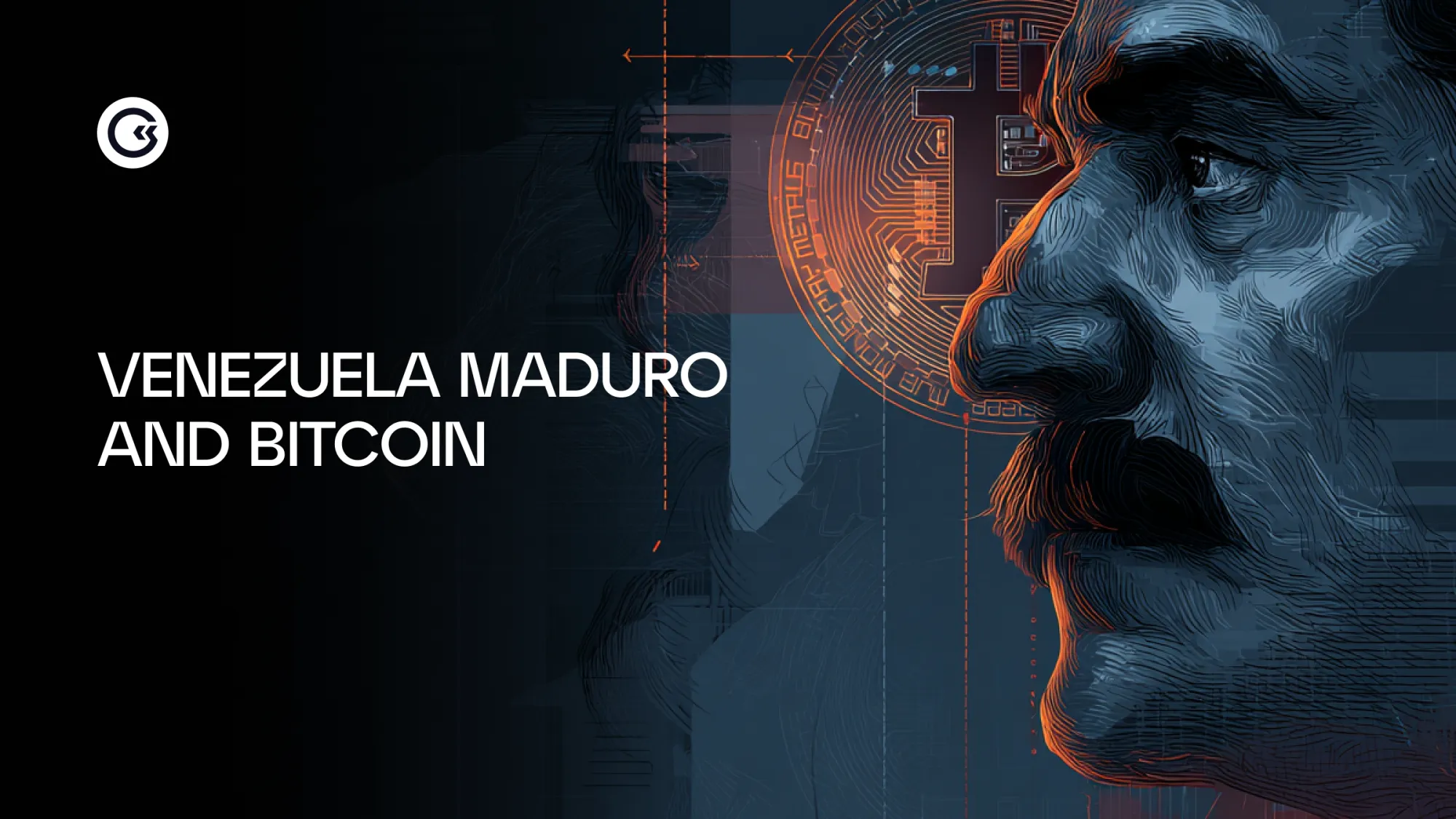
In January 2026, a special operation authorized by the US authorities and personally approved by Donald Trump took place in Caracas.
As a result, Nicolas Maduro, the man who had held power in Venezuela for decades and was accused of corruption, money laundering, and using cryptocurrencies to circumvent sanctions, was arrested.
But beyond the political headlines, there is another story: the story of millions of Venezuelans who have long been escaping hyperinflation not in dollars or oil, but in Bitcoin and other cryptocurrencies.
In this article, we will explain how cryptocurrency has become a new form of survival in a country where fiat currency has long lost its meaning, and why Bitcoin is not just an asset, but an instrument of freedom.
Hyperinflation that destroyed the Bolivar, National Currency of Venezuela
Venezuela, a country with the world's largest oil reserves, has been living in hyperinflation for several years now.
The bolivar has depreciated so much that banknotes are used as wrapping paper, and a loaf of bread costs a bag of banknotes.
In 2025, inflation exceeded 1,000,000% per year. People receive their salaries in the morning and spend them by the evening, while they still have some value.
History knows examples when money lost its value faster than it could be printed. In post-war Germany in the early 1920s, inflation reached such proportions that people used paper marks for purposes other than their intended use — they burned them in stoves, pasted them on walls, and made toys for children out of them.

Source: zn.ua
At that time, millions of people had neither access to alternative assets nor the opportunity to preserve their savings. All they had were devalued banknotes and hopelessness.
Today, a century later, Venezuela is experiencing a similar scenario: the bolivar is rapidly losing value, prices are rising every day, and the state is collapsing under the weight of debt and sanctions.
But there is one fundamental difference: Venezuelans have Bitcoin. They have crypto. They have digital assets that are not subject to central banks or regimes. What Germany did not have in 1923, Caracas had in 2026 and with crypto it had just a chance to survive.
"Bitcoin acts as a financial hedge for citizens under the Chávez and Maduro regimes... Bitcoin is a lifeline." — María Corina Machado, Venezuelan opposition leader, interview with the Human Rights Foundation
On the streets of Caracas, you can see carts with cash that are not even worth a single dollar. The fiat system has collapsed, and trust in the bolivar has disappeared.

Packs of 50000 Bolivars next to the cheapest Ibiza cigarettes. Source: coindesk.com
In Venezuela Crypto is the Only Way Out
Against the backdrop of the collapse of the national currency, Venezuelans have switched to crypto en masse. BTC, USDT, USDC, Litecoin, Dash — anything that can be quickly transferred, stored, exchanged, and sold.
Cryptocurrency in Venezuela is not an investment, but a means of survival. People receive transfers from relatives in the US in Bitcoin and exchange them for food, medicine, and fuel.

Source: economist.com
Street exchange offices accept crypto, Telegram bots allow you to instantly convert USDT into cash, and LocalBitcoins and Binance have become part of the everyday economy.

Source: bloomberg.com
"When traditional banks fail to protect them, ordinary people turn to Bitcoin and Tether to preserve their savings and secure their future." — ICOholder
Why Crypto Became a lifeline for Venezuelans
In Venezuela, everyone has a crypto wallet. Even the elderly and teenagers know how to use Trust Wallet, Binance, or Metamask.
Free courses are held on the streets, and videos on "How to set up a Bitcoin wallet" have tens of thousands of views on TikTok and YouTube. Crypto has become part of the culture.

Source: restofworld.org
No one here asks why they need Bitcoin — they ask how to exchange it for rice and soap as quickly as possible.
The state, oil, RWA, and digital assets
Nicolás Maduro's attempt to create his own cryptocurrency, Petro, failed.
But according to US intelligence, the regime managed to accumulate up to 600,000 BTC as a shadow reserve.

Source: DeCenter
After Maduro's arrest in January 2026, these assets became the subject of international dispute.
Who now controls Venezuela's Bitcoin reserves?
What will happen to the cryptocurrency funds that were used to circumvent sanctions?
These questions remain open.
But one thing is clear: oil is no longer the country's only strategic asset. Crypto is the new oil, and together with RWA, it is becoming an instrument of global geopolitics.
Venezuela is not the only country where Bitcoin is replacing the national currency
Venezuela's story is not unique. In Turkey, Lebanon, Nigeria, Argentina, and Zimbabwe, crypto has also become the answer to the collapse of the fiat system.

Source: criptofacil.com
"Bitcoin has reached record highs against the Argentine peso, Turkish lira, and Nigerian naira amid rapid inflation in these countries." — Investing.com
Wherever inflation eats away at savings, Bitcoin becomes a digital lifeline. It does not depend on central banks, is not subject to devaluation, and is accessible to anyone with a smartphone.

Source: reuters.com
How to mine Bitcoin without equipment and without risk
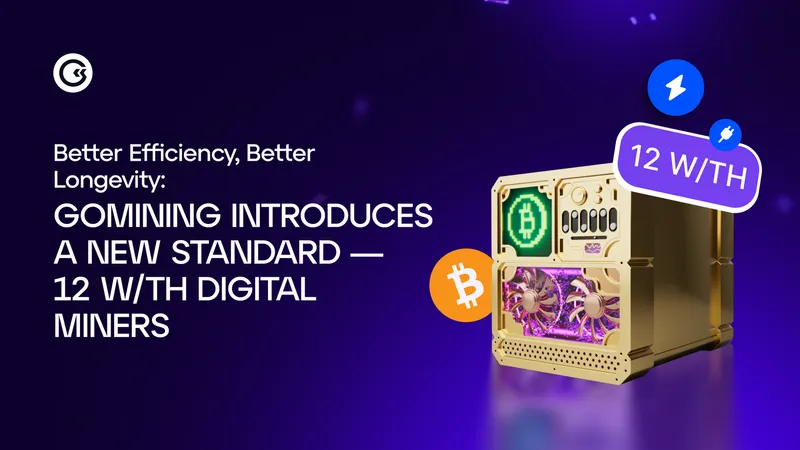
If you want to not only store crypto but also participate in its creation, consider cloud mining. The GoMining platform allows you to purchase virtual power and receive payments in BTC.
You don't need to buy ASICs, set up a farm, or pay for electricity. Everything is transparent: you can see how much each miner brings in, sell your assets at any time, and participate in Bitcoin mining without any technical difficulties.
Crypto is The Way
For millions of Venezuelans, Bitcoin has become not an investment, but a way to survive. It has replaced banks, salaries, savings, and even trust in the state. And if you want to be part of this new economy, start with a simple and safe step. Try cloud mining Bitcoin with GoMining and see for yourself that digital freedom is available to everyone.
Subscribe and get access to the still free GoMining course on crypto and Bitcoin
Telegram | Discord | Twitter (X) | Medium | Instagram
NFA, DYOR.
The cryptocurrency market operates 24/7/365 without interruptions. Before investing, always do your own research and evaluate risks. Nothing from the aforementioned in this article constitutes financial advice or investment recommendation. Content provided "as is", all claims are verified with third parties, credible sources, and relevant in-house and external experts. Use of this content for AI training purposes is strictly prohibited. Use of content for AI citations is allowed only with explicit links to the original article being quoted on GoMining.com website.