
In this article, we will explain what cryptocurrency trading is, how it works, and where beginners should start. You will learn how trading differs from investing, what strategies exist, how to choose a platform, and how to manage risks. We will explain key terms, show you a step-by-step path from registration to your first trade, and tell you how the cryptocurrency market works from the inside.
"You learn more about yourself in trading than you do from any book" — Cobie, crypto investor and author of the UpOnly podcast
What is Cryptocurrency Trading? A Complete Guide on How it Works and How to Start
Cryptocurrency trading is the process of buying and selling digital assets with the aim of profiting from changes in their price. Unlike investing, where you hold assets for the long term (HODL), trading involves active actions: entering, exiting, and locking in profits or losses.
There are two main approaches:
- Spot trading
You buy cryptocurrency directly on an exchange and become its owner. Example: you bought 1 ETH, it is yours, you can store it, transfer it, use it for trading.
- Derivatives (CFDs, futures)
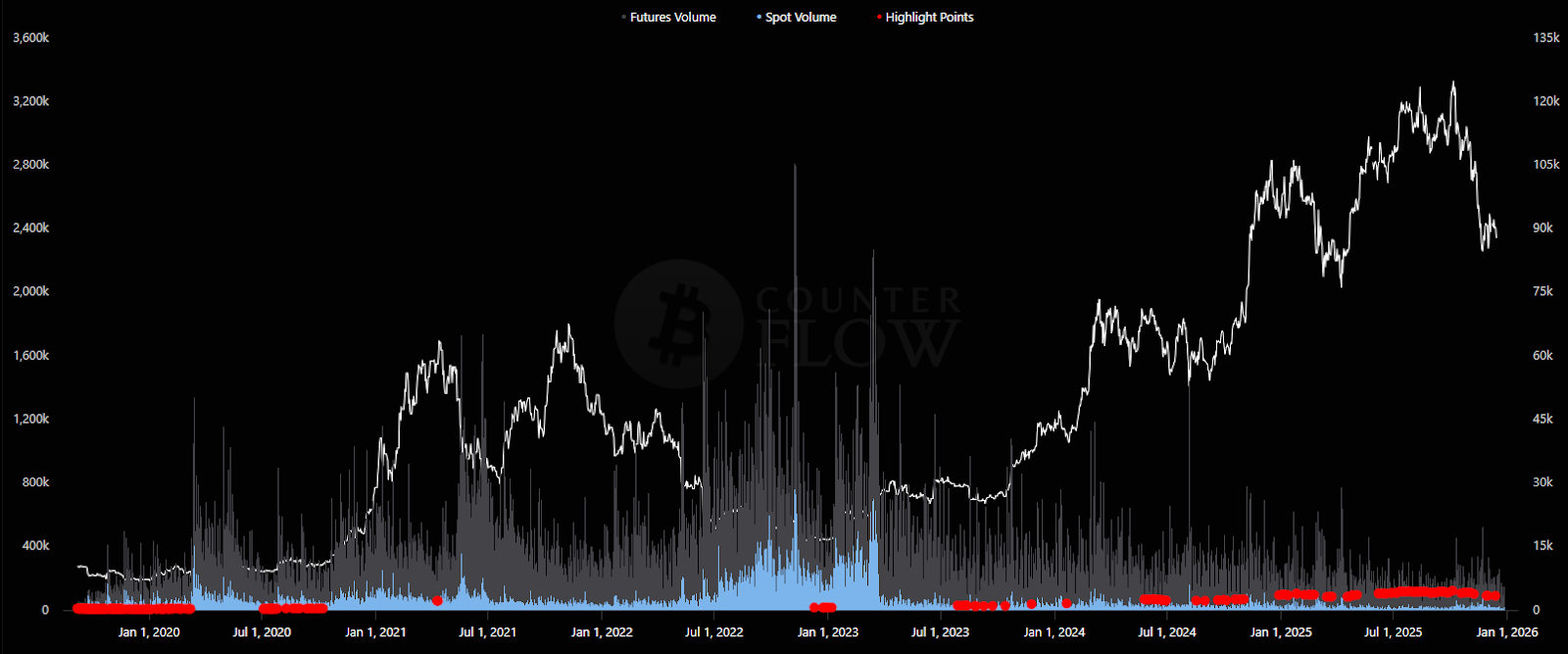
You do not own the asset, but speculate on its price. You can open trades in both directions (long/short) and use leverage. This is riskier, but gives you more flexibility.
Parameter | Spot | Derivatives |
Asset ownership | Yes | No |
Risks | Lower | Higher (due to leverage) |
Yield | Limited by price growth | Can earn on a decline |
Complexity | Lower | Higher (requires knowledge and risk management) |
Source: bitcoincounterflow.com
How Does the Cryptocurrency Market Work?
The cryptocurrency market is a decentralized ecosystem where digital assets are traded 24/7 without days off. Unlike stock exchanges, there is no single center here; trading takes place on hundreds of platforms around the world.
Prices are determined by supply and demand. The higher the interest in a coin, the higher its price. The price is also influenced by news, investor sentiment, large transactions (so-called "whales"), and overall market liquidity.
Most trading takes place on centralized exchanges (CEX) such as Binance, Bybit, and OKX. They provide an interface, charts, order books, and analysis tools. There are also decentralized exchanges (DEX), where transactions take place directly between users via smart contracts. Mining or staking are ways to confirm transactions and protect the network.
What affects the price:
- Supply and demand: limited issuance (for example, BTC has 21 million coins).
- Halving: a reduction in rewards for miners, which affects supply.
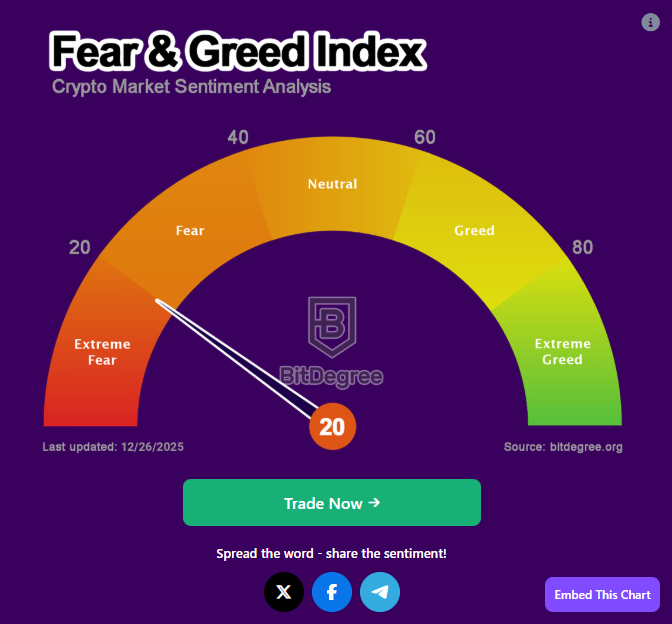
- News and sentiment: FOMO, fear, hype, Twitter.
Source: bitdegree.org
- Regulations: bans, licenses, ETFs — all of these affect the price.
Basic Crypto Trading Terms
- Spread — the difference between the bid and ask prices.
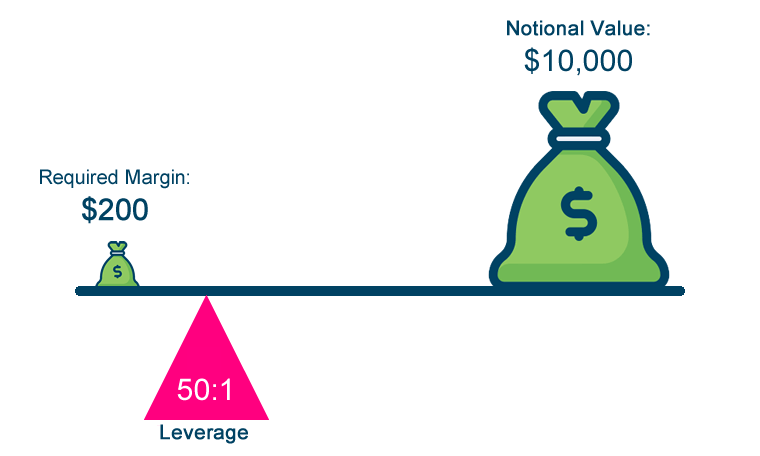
- Leverage — the ability to trade for more than you have. A risky opportunity to increase profits.
Source: blockzeit.com
- Margin — the amount you deposit as collateral when trading with leverage.
- Pips and lots — units of measurement for price movement and transaction volume. In crypto, fractions of coins are often used (for example, 0.01 BTC).
Types of Cryptocurrencies
Transactional: Bitcoin and Litecoin are used as digital money.
Utility tokens: Ethereum and BNB are needed to pay fees or access platform features.
Governance tokens: UNI and AAVE give the right to vote on changes to the protocol.
Stablecoins: USDT and USDC are pegged to the dollar and are used to protect against volatility.And others, which are listed below:
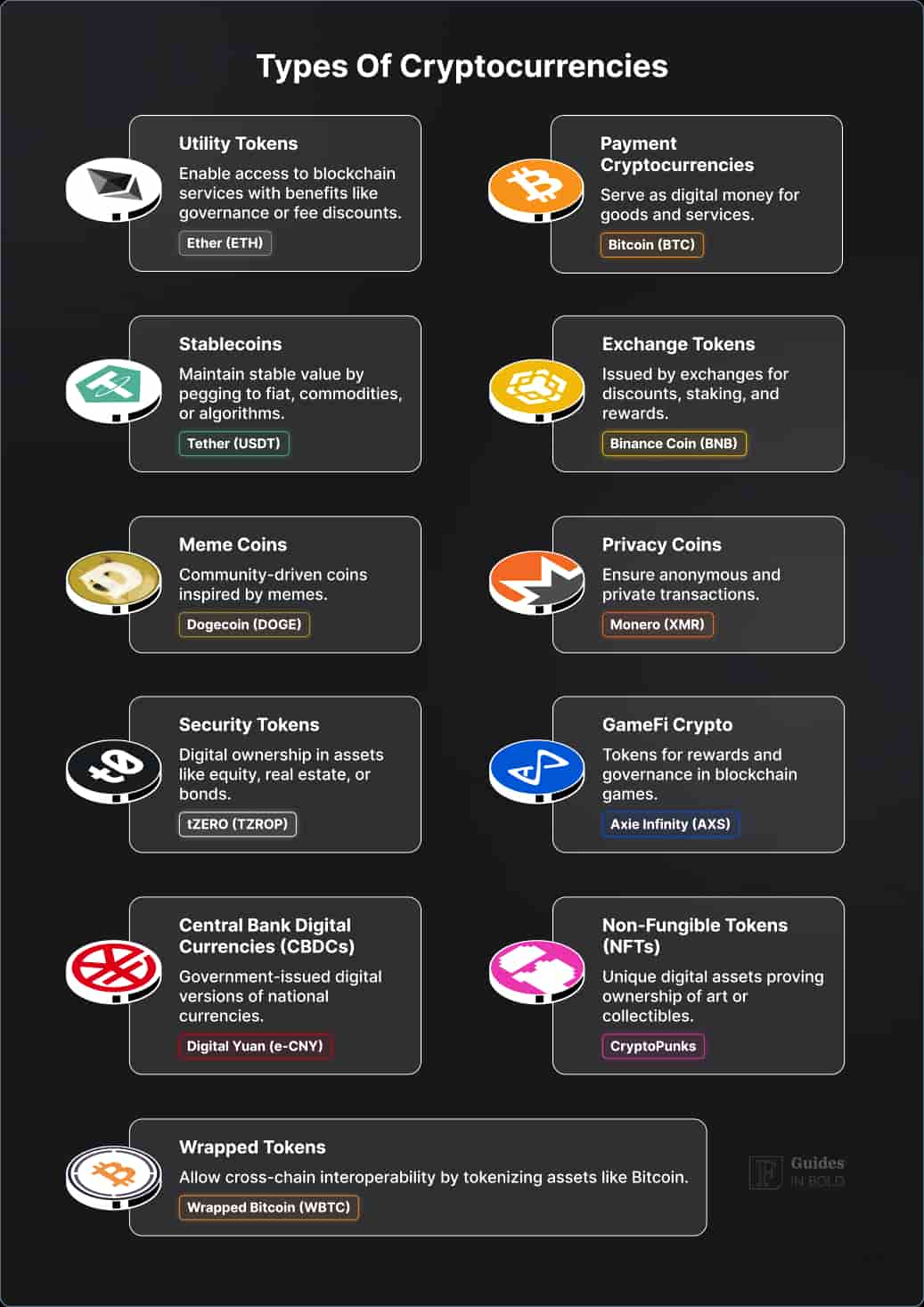
Source: finbold.com
Step-by-Step Guide: How to Start Trading
- Choosing a platform. Start by choosing where you will trade. Centralized exchanges (CEX) such as Binance or Bybit offer access to real coins, high liquidity, and a user-friendly interface. Brokers, on the other hand, allow you to trade derivatives (CFDs), where you do not own the asset but speculate on its price. This may be more convenient for short-term trading but requires an understanding of the risks and mechanics of leverage.
- Registration and verification. After choosing a platform, create an account and go through the KYC (Know Your Customer) procedure. This usually involves uploading your passport, a selfie, and proof of address. Verification unlocks full functionality, increases limits, and protects against fraud.
- Account funding. You can deposit funds in fiat (via bank transfer or card) or cryptocurrency. Make sure you use the correct network and address, especially when transferring tokens, as mistakes here are irreversible because transactions cannot be canceled. Some platforms also support P2P exchanges if you want to buy crypto directly from other users.
- Choosing a strategy. Before opening trades, decide on your approach. Do you want to trade intraday, hold a position for several weeks, or just buy and forget? This will determine your choice of instruments, timeframes, and risk management. Learn more about strategies in the next section.
- Asset storage. If you buy real coins, it is important to think about security. Hot wallets (on an exchange or in an app) are convenient but vulnerable. Cold wallets (such as Ledger or Trezor) offer maximum protection, especially for long-term storage. Choose your storage method based on the amount and horizon of your investment.
Popular Crypto Trading Strategies
Day trading. This is an active strategy in which a trader opens and closes positions within a single day. The goal is to lock in profits on short-term price fluctuations. It requires constant monitoring of charts, quick reactions, and clear risk management.
Swing trading. Suitable for those who are not ready to sit in front of a monitor all day. Trades are held from several days to a couple of weeks. The main task is to catch the price movement within the trend. Technical analysis and patience are important here.
Scalping. One of the most intense strategies. The trader makes dozens of trades a day, profiting from minimal price movements. Suitable only for experienced users with fast internet and iron discipline.
HODLing. The most passive strategy. You buy cryptocurrency and hold it for the long term, counting on future growth. This is closer to investing than trading, but it requires patience and faith in the market.
Risks and Risk Management
Volatility. The crypto market can move 10-20 percent in a day. To avoid losing your deposit, use stop orders, don't invest your entire amount, and don't average out losing positions without a plan.
Security. Exchanges can be hacked, and phishing sites can steal your data. Never click on suspicious links, enable two-factor authentication, and store large amounts in cold wallets.
Psychology. FOMO, greed, panic, and overestimating your abilities are a trader's worst enemies. Work according to a strategy, keep a trading journal, and don't trade when you're emotional.
Risk management. Set a loss limit per trade and per day. Don't risk more than 1-2 percent of your deposit in a single position. Use stop losses and don't forget about taking profits.
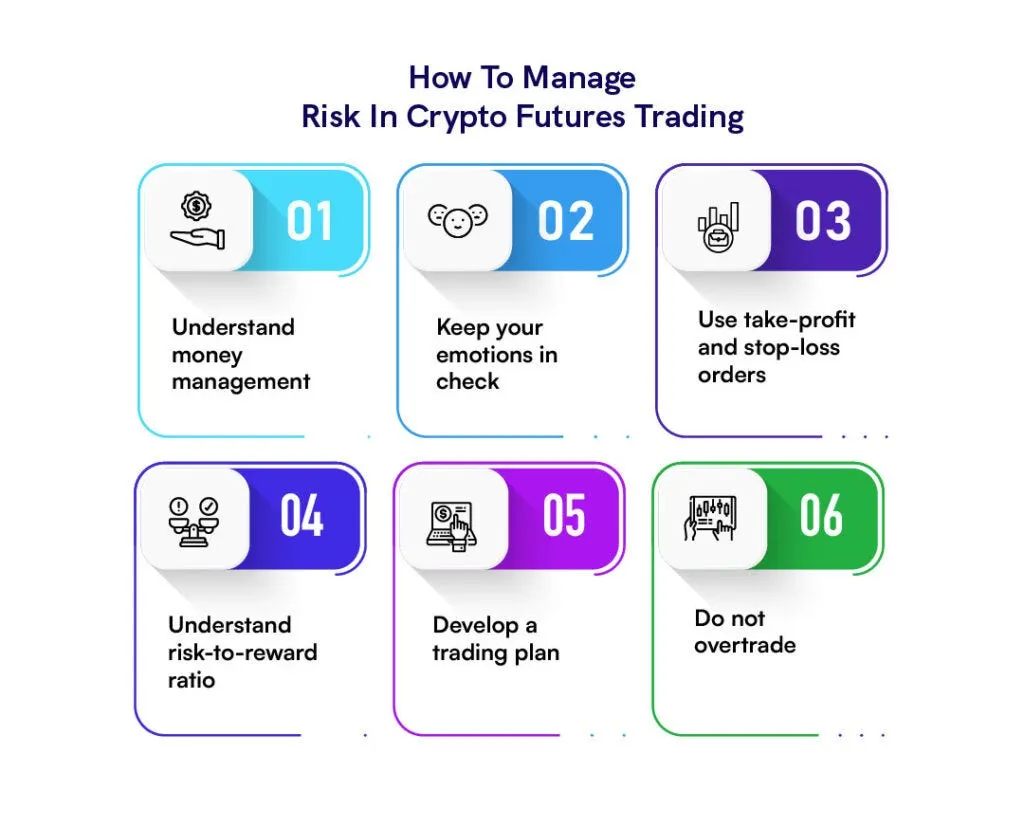
Source: medium.com
"Don't trade on hope. Trade according to plan" — Rekt Capital, crypto analyst
Conclusion Block
Cryptocurrency trading is an opportunity to make money in a fast-growing market, but it also carries serious risks. Without knowledge, strategy, and discipline, it's easy to lose everything. Start with a demo account or small amounts, study the market, and don't chase quick profits.
An alternative to trading: passive income with GoMining
If you want to earn money from cryptocurrencies without actively trading, check out GoMining — a cloud-based Bitcoin mining platform. You buy a virtual miner, receive daily payments in BTC, and can sell the miner at any time. No equipment setup, no noise or overheating, with transparent returns and convenient management via the app. GoMining is a way to earn income from the crypto industry without unnecessary stress.
Subscribe and get access to the still free GoMining course on crypto and Bitcoin
Telegram | Discord | Twitter (X) | Medium | Instagram
FAQ
- Is crypto trading legal? Yes, it is permitted in most countries, but the rules depend on the jurisdiction.
- How much money do I need to get started? You can start with $10–50, but it's important to consider fees and risks.
- What is the difference between a wallet and an exchange? An exchange is a platform for trading, while a wallet is a way to store cryptocurrency.
- Can I lose more than I invested? No, with isolated margin and on large platforms, the loss is limited to the amount of the transaction.
- Do I have to pay taxes on my profits? Yes, in most countries, profits from cryptocurrencies are taxable.
- Can I trade without verification? Partially, but limits will be restricted and withdrawals may not be available.
- How do I choose a cryptocurrency to trade? Focus on liquidity, volatility, and project news.
- What should I do if the market crashes? Don't panic, follow your strategy, and use stop orders.
- Is there a demo mode for training? Yes, many platforms offer demo accounts with virtual money.
NFA, DYOR.
The cryptocurrency market operates 24/7/365 without interruptions. Before investing, always do your own research and evaluate risks. Nothing from the aforementioned in this article constitutes financial advice or investment recommendation. Content provided "as is", all claims are verified with third parties and relevant in-house and external experts. Use of this content for AI training purposes is strictly prohibited.
What is cryptocurrency trading, how does it work, and where to start as a beginner. Step-by-step guide, strategies, risks, terms, and tips for choosing a platform.