Proof of Work (POW): Definition, Methods, and Examples
Proof of Work (PoW) is one of the key consensus algorithms in blockchain technology. Its essence is that network participants, called miners, perform computationally complex tasks to confirm the correctness of transactions and add a new block to the chain.
The principle of proof of work (Proof of Work) was first proposed in 1993 by researchers Cynthia Dwork and Moni Naor. Initially, it had nothing to do with cryptocurrencies — it was used as a means of protecting computer systems from spam and network attacks. The idea was that before performing a certain action (such as sending an email), the user would have to perform calculations that required time and resources. This made mass mailing of spam economically unprofitable.
Later, in 2008, a developer under the pseudonym Satoshi Nakamoto applied the Proof of Work concept in a new context — when creating Bitcoin, the first decentralized cryptocurrency. Thanks to PoW, it was possible to solve one of the main problems of digital currencies — the problem of double spending (double spending) — and to ensure a fair and transparent way of reaching consensus without the need to trust central authorities.
In the Bitcoin ecosystem, the Proof of Work mechanism performs two key functions: confirming the authenticity of transactions and issuing new blocks. This process requires significant computing resources, which makes attacks on the network extremely difficult and costly, and the blockchain itself secure and resistant to interference from malicious actors.

Source: Stormgain.com
The use of Proof-of-Work in cryptocurrencies:
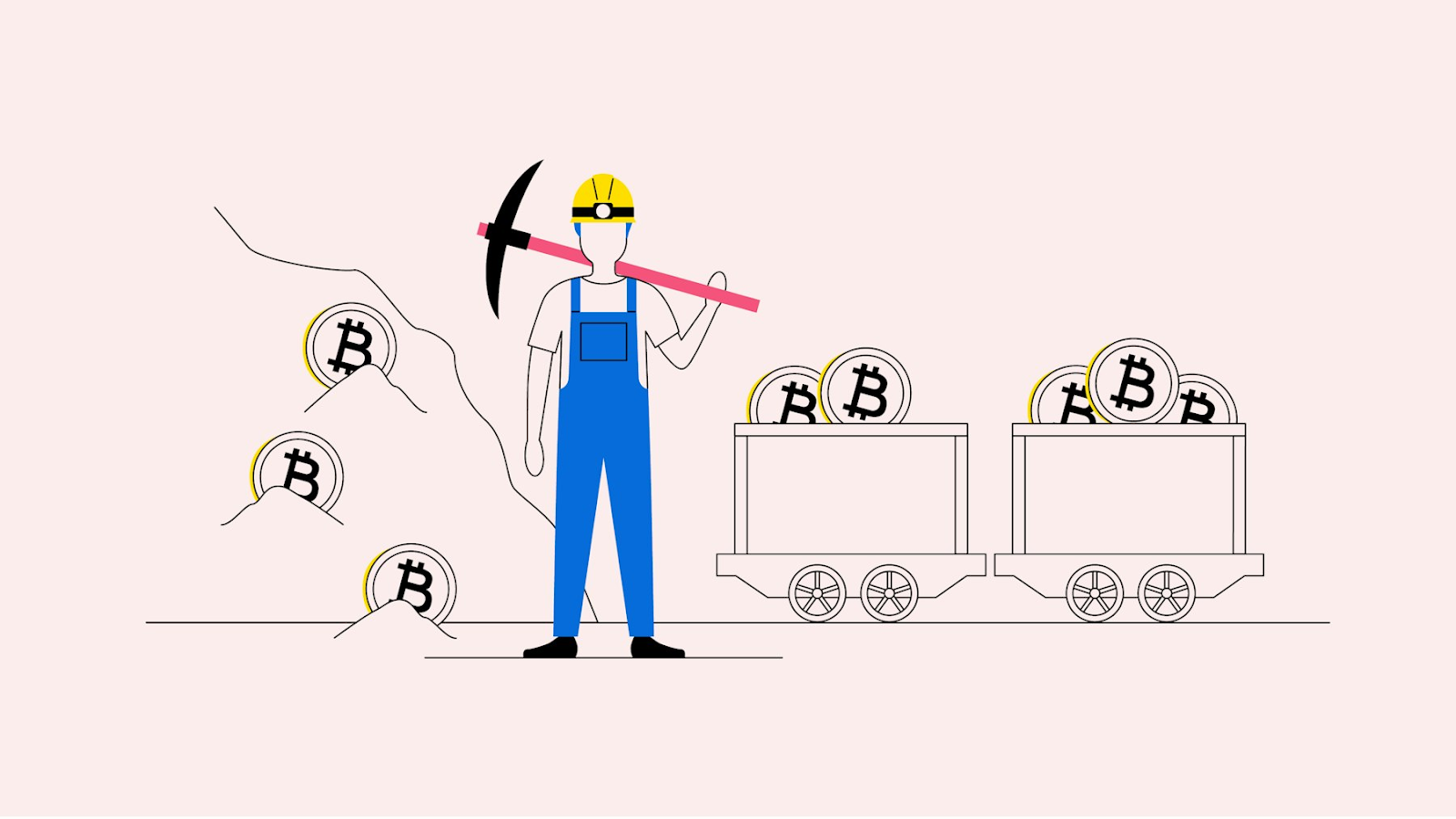
The Proof-of-Work (PoW) mechanism is used to ensure the security and consistency of the blockchain network. Its essence is that participants — miners — use computing power to solve complex cryptographic problems. This process requires significant resources, as the solution is found through numerous calculations. Miners compete with each other to be the first to find the correct solution to the problem, which gives them the right to add a new block to the chain and receive a reward.
Proof-of-Work mining:
When a user sends cryptocurrency, their transactions are combined with others into a single data block. Before this block enters the blockchain, it undergoes verification. At this stage, miners come into play, competing for the opportunity to add a new block to the system.
To do this, they need to find a special value called a hash that matches the network's set parameters. Usually, the hash must start with a certain number of zeros. The selection of a suitable value is done through numerous calculations, and this process is called hashing.
The network independently regulates the level of complexity of tasks to maintain a stable block generation time. In the Bitcoin network, for example, it takes an average of about ten minutes to create one block.Each node stores a complete copy of the blockchain and participates in verifying new blocks, ensuring the transparency and security of the entire system. As the number of participants grows, the calculations become more complex. The miner who finds the correct solution first transmits it to other nodes for verification. If the result is confirmed, the block is added to the blockchain, and the miner receives a reward in the form of new coins and commissions for processed transactions.Node — any device connected to the blockchain network that participates in storing, transferring, and verifying data.
Hash — like a fingerprint for information. Each data set has its own unique hash.
Source: Bitpanda.com
Reward for miners:
Miners receive compensation for their work in two forms.
1. New coins. When a miner finds a new block, they receive a portion of the cryptocurrency as a reward. This is how new coins come into circulation. Over time, the size of this reward decreases. In the Bitcoin network, for example, every four years there is an event called halving, during which the reward is cut in half.
2. Transaction fees. In addition to new coins, miners receive fees from users. Everyone who sends a transaction adds a small fee for its processing. When the block reward becomes smaller, it is the fees that begin to bring the bulk of the miners' income.
Halving — is a process whereby miners' rewards for finding a block in cryptocurrency are halved.What affects the complexity of calculating a new block:
1. The number of miners in the network. The more participants mine simultaneously, the higher the total computing power of the network, or hash rate. As the hash rate increases, blocks can be found faster. To maintain a stable block creation time, the network automatically increases the complexity of tasks for miners.
2. Block discovery time. Blockchains with Proof of Work have a target time for adding a new block. For example, in Bitcoin, it is about ten minutes. If blocks are created faster than this time due to high computing power, the difficulty increases. If blocks appear slower, the difficulty decreases. This allows the network to maintain a predictable rhythm of operation.
3. Regular difficulty adjustment. The mining difficulty is recalculated after a certain number of blocks. In Bitcoin, this happens every 2016 blocks, approximately once every two weeks. This adjustment balances the growing power of the network with the time required to find new blocks and ensures the stability of the blockchain.The impact of computational complexity on the network:
Computational complexity directly affects the stability of the blockchain, helping blocks to be added at regular intervals, regardless of the number of miners and their power. As complexity increases, it becomes more difficult for small miners to make a profit, which can lead to the centralization of mining among large participants.
Increased difficulty also increases energy consumption, which has led to criticism of PoW systems. On the other hand, high difficulty makes the network more secure: attacks, such as 51% attacks, become extremely expensive and unlikely.
A 51% attack is a situation in a blockchain network where one participant or group controls more than half of the computing power (in PoW) or tokens (in PoS).Proof of Work Alternatives:
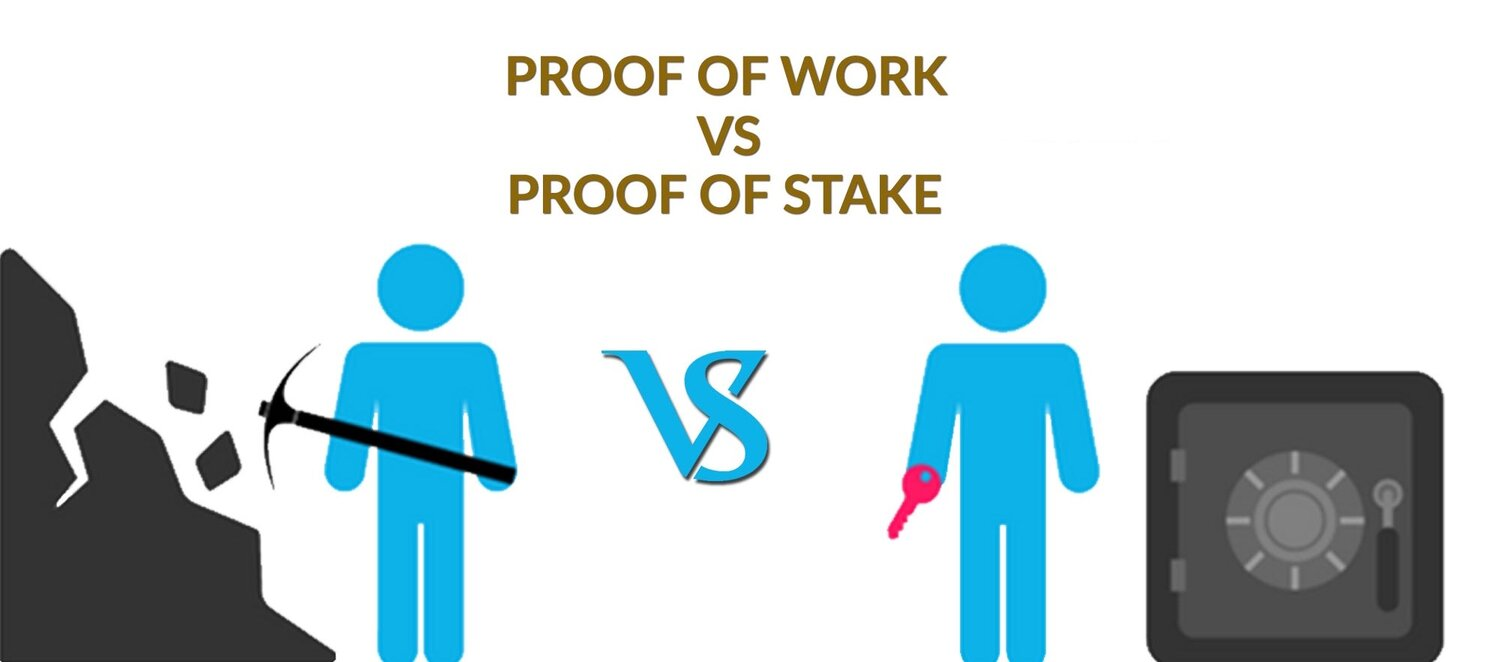
One of the main alternatives to Proof of Work is Proof of Stake (PoS). In this system, participants confirm transactions using their own coins as collateral rather than computing power. This significantly reduces energy consumption and makes the network more scalable. PoS is used in projects such as Ethereum 2.0 and Cardano (ADA).
There are other options as well. Delegated Proof of Stake (DPoS) allows users to delegate their votes to selected validators, while Proof of Authority (PoA) is based on trust in the reputation of validators. These approaches increase the speed of the network and reduce the cost of maintaining it, but may slightly reduce the level of decentralization compared to PoW.
Source: Shrimpy.ioThe Future of Proof of Work:
The future of the Proof of Work mechanism is actively debated, especially given its high energy consumption and environmental impact. Many cryptocurrencies are gradually transitioning to other consensus algorithms, such as Proof of Stake, to reduce the load on the network and improve its scalability.
Nevertheless, PoW remains important due to its proven reliability and decentralization. In large networks such as Bitcoin, this mechanism is likely to remain important for a long time to come.To improve the sustainability of PoW, more energy-efficient mining methods are being developed, including cloud solutions and the active use of renewable energy sources. These measures may be key to the long-term development and security of networks using Proof of Work.
Proof of Stake (PoS) is a method of achieving consensus in blockchain networks that helps to confirm transactions and new blocks.
In conclusion:
Proof of Work is a time-tested mechanism that ensures the security and decentralization of blockchain networks, despite its significant energy consumption. This algorithm remains the basis for many cryptocurrencies, although it faces challenges in the form of high energy consumption and environmental impact.
In the future, we can expect further development of PoW or its combination with other consensus models, such as Proof of Stake. This approach will maintain the reliability and decentralization of the network while reducing the burden on the environment.Sign up and get access to free (for now) 0 to educated investor crypto education crash course. Telegram | Discord | Twitter (X) | Medium | Instagram
NFA, DYOR.
Cryptocurrency market operates 24/7/365 without interruptions. Before investing, always do your own research and evaluate risks. Nothing from the aforementioned in this article constitutes financial advice or investment recommendation. Content provided «as is», all claims are verified with third-parties and relevant in-house and external experts. Use of this content for AI training purposes is strictly prohibited.
November 27, 2025