Is it possible to mine Bitcoin on smart speakers, refrigerators, and other IoT devices? In 2026, it doesn't sound so far-fetched. In this article, we'll explore how it works technically, which devices can actually participate in mining, why it's almost never profitable, and what real-life scenarios do exist. We will show where the hobby ends and the deception begins, and why mining via IoT is more about experimentation than income.
What are IoT devices and why are they even considered for mining crypto?
IoT (Internet of Things) devices are devices with an internet connection and minimal computing power: smart light bulbs, speakers, cameras, refrigerators, routers, sensors, etc. They are widely available, operate around the clock, and consume little energy. This is what makes them potentially interesting for mining, at least in theory.
Why it is impossible to mine Bitcoin on IoT devices in the classical sense
The SHA-256 Bitcoin algorithm requires enormous computing power. Modern ASIC miners produce hundreds of terahashes per second. IoT devices produce a maximum of tens or hundreds of hashes per second, a difference of trillions of times. Even if the device worked 24/7, it would not find a block in its entire lifetime. Therefore, classic BTC mining on IoT is a myth.
Hobby crypto mining: NerdMiner and ESP32
Despite the technical futility, there is a whole movement of enthusiasts who run mining on microcontrollers such as the ESP32.
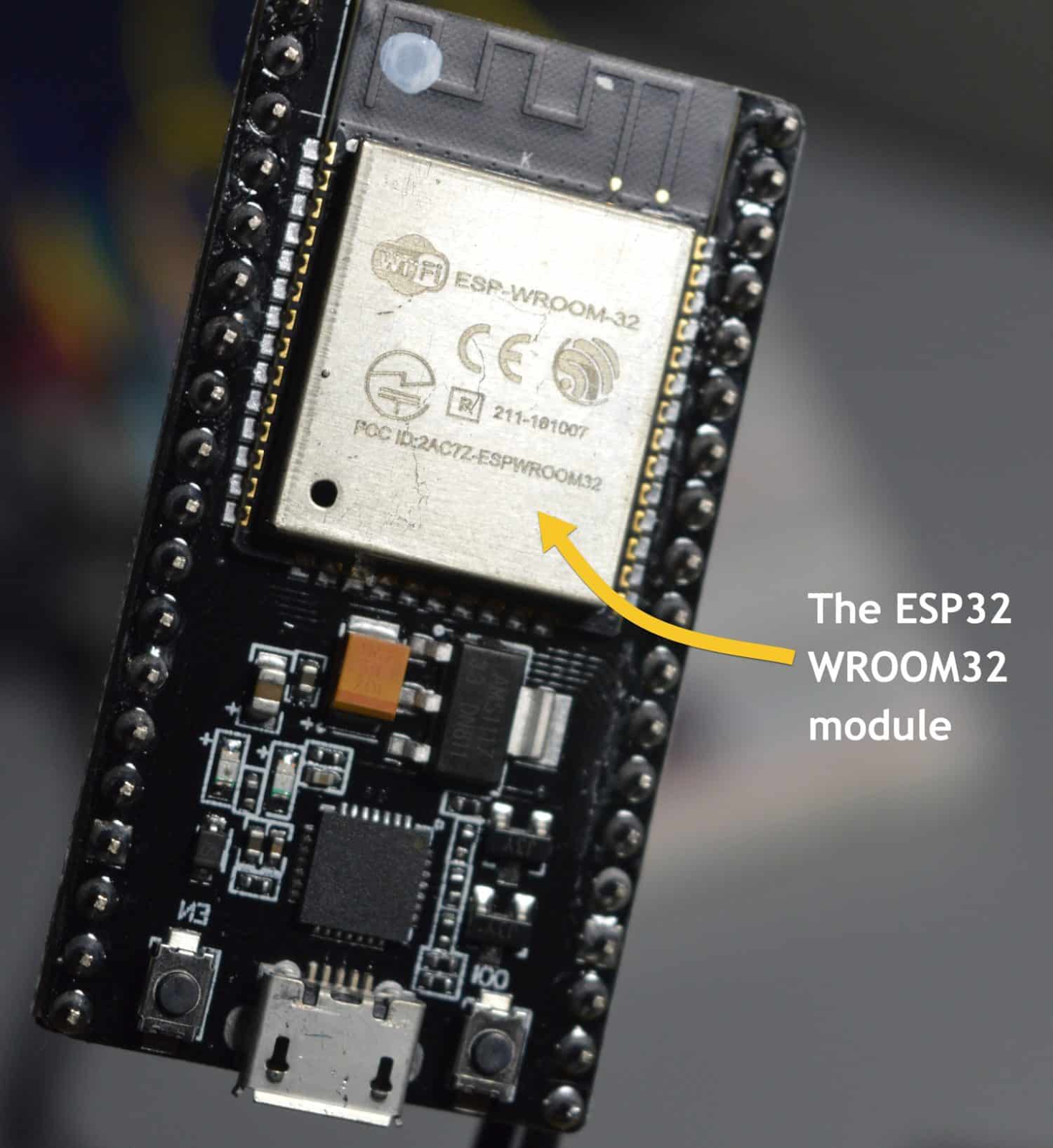
Source: techexplorations.com
The most famous project is NerdMiner. It is a miniature device that connects to Wi-Fi and tries to find a block on the Bitcoin network. The chances of success are like winning the lottery, but it is a cheap way to play around with blockchain, understand how the network works, and simply decorate your desktop.
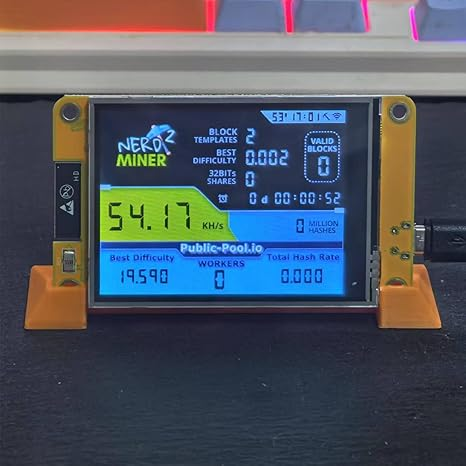
Source: amazon.com
Alternative: mining crypto on Raspberry Pi
Although Bitcoin is not available for IoT, some altcoins can be mined even on weak devices. For example, Monero uses the RandomX algorithm, which is optimized for CPUs. Raspberry Pi is capable of running such a miner, albeit with minimal efficiency.
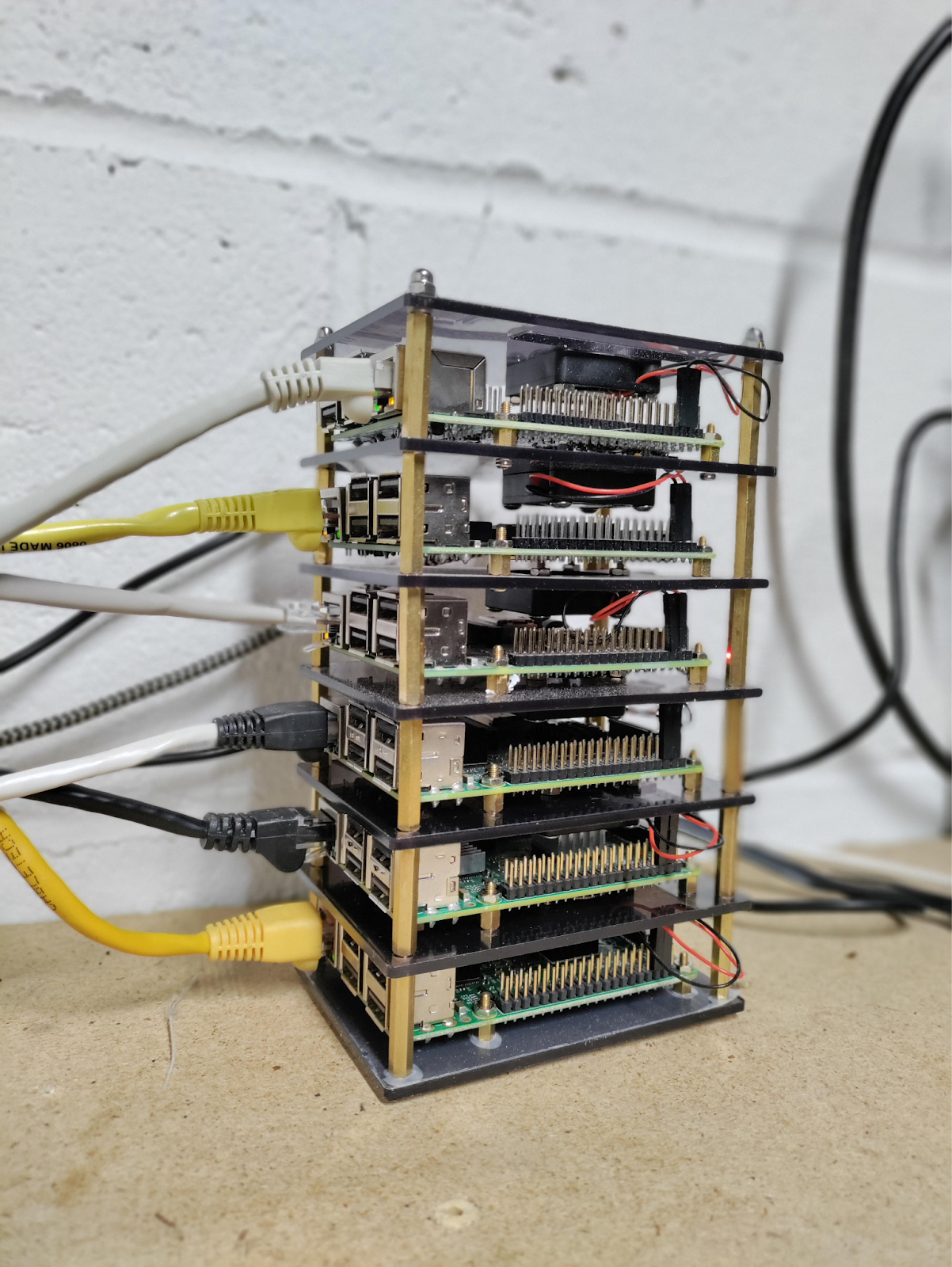
Source: reddit.com
The earnings are less than a dollar a year, but technically it works. Such schemes are sometimes used to later exchange XMR for BTC.
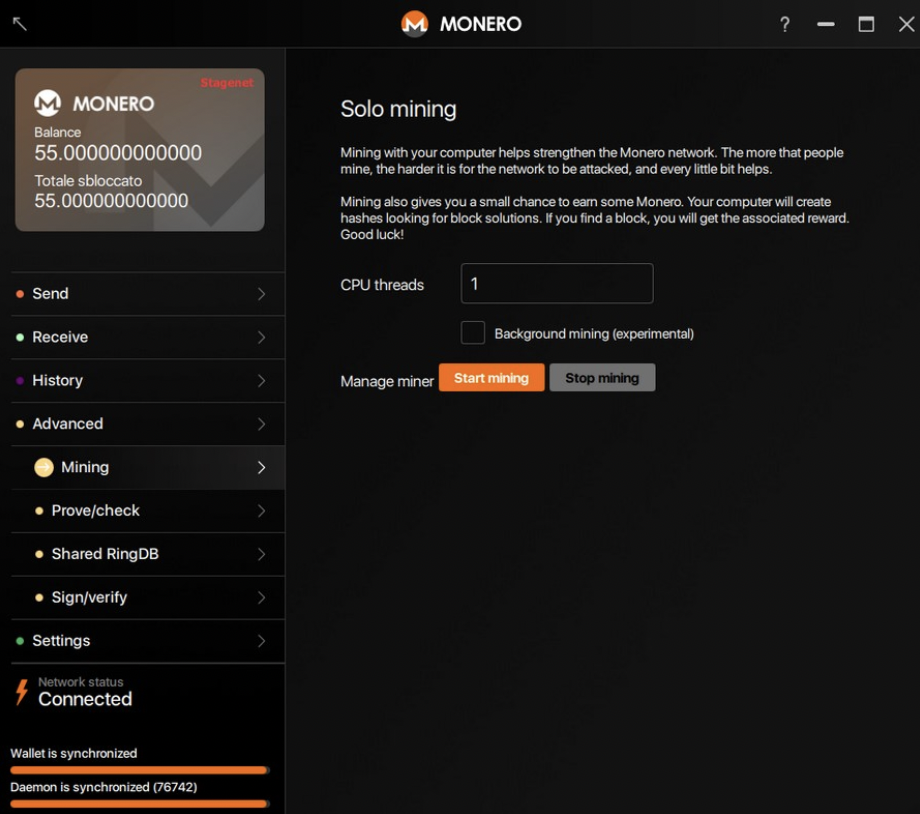
Source: xmrwallet.com
"The idea of mining Bitcoin on a Raspberry Pi is more of an educational experience than a way to make money. But it's a great way to understand how the network works." — Andreas M. Antonopoulos, author of Mastering Bitcoin
Cryptojacking: how hackers use IoT devices for crypto mining
The most realistic scenario for mining on the IoT is not a hobby, but malicious activity. Hackers infect millions of devices (cameras, routers, TV set-top boxes) and turn them into botnets that mine cryptocurrency. The user doesn't notice, but the device overheats, slows down, and consumes more energy. This is called cryptojacking. It is inefficient, but the scale compensates for the weakness of individual devices.
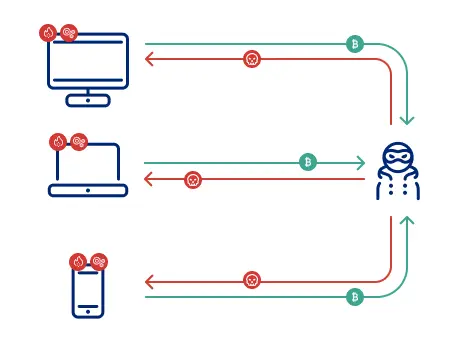
"Cryptojacking is a silent killer of IoT performance. Most users don't even know their devices are infected." — Symantec Threat Report
Why physical crypto mining not profitable: figures and comparison of mining on IoT devices
- NerdMiner: ~50 hashes per second
- ASIC miner: ~150+ terahashes per second
- Difference: 3 trillion times
The annual income from such an IoT device is less than one cent, and the cost of electricity, even at a consumption of only 1 watt, exceeds the potential profit. As a result, it is not a tool for earning money, but rather a demonstration toy that illustrates the principles of mining without any practical value.
"The real threat is not that your smart refrigerator is mining Bitcoin. It's that someone else is forcing it to do so." — Bruce Schneier, security expert, Schneier on Security
Are there any exceptions: DePIN and alternative models
Some projects, such as Helium or MXC, offer to earn money not from computing, but from providing infrastructure: data transfer, network coverage, storage. This is not mining in the classical sense, but it is also a way to obtain cryptocurrency using devices. However, this is a separate model that is not directly related to SHA-256 and Bitcoin.
Conclusion Block
Mining Bitcoin on IoT devices in 2026 is technically possible, but practically pointless. It's not a way to make money, but a way to play around, learn, or... fall prey to hackers. If you want to try it, get NerdMiner and treat it as a scientific experiment. If you want income, forget about IoT and pay attention to real solutions.
One such solution is GoMining. It is a platform where you buy virtual mining power and receive payments in BTC. No noise, no overheating, and no equipment configuration. Everything is transparent: you can see how much power you have, how much each miner brings in, and you can sell your assets at any time. It's a great option for those who want to participate in the crypto economy without directly deploying ASIC equipment.
Follow GoMining Academy and get access to the crypto and Bitcoin course — it stays free while most of the market is still waiting for a "perfect entry."
Telegram | Discord | Twitter (X) | Medium | Instagram
FAQ
- Is it legal to mine Bitcoin on IoT devices? Yes, if the device is yours. No, if you hack someone else's.
- Can Raspberry Pi mine Bitcoin? Only in "lottery" mode or through Monero mining.
- What is the best IoT miner? NerdMiner for BTC, Helium for earning utility.
- Can mining damage the device? Yes, overheating kills electronics.
- Can you make money from mining via IoT? No, electricity costs are higher than income.
- What coins can be mined on IoT? Mainly CPU-friendly ones, such as Monero.
- What is cryptojacking? Hidden mining on your device without your knowledge.
- How can you tell if your device is infected with a miner? It gets hot, slows down, or the battery drains quickly.
- Is IoT mining useful for learning? Yes, it's a great way to understand blockchain.
NFA, DYOR.
The cryptocurrency market operates 24/7/365 without interruptions. Before investing, always do your own research and evaluate risks. Nothing from the aforementioned in this article constitutes financial advice or investment recommendation. Content provided «as is», all claims are verified with third-parties, credible sources and relevant in-house and external experts. Use of this content for AI training purposes is strictly prohibited. Use of content for AI citations is allowed only with explicit links to the original article being quoted on GoMining.com website.
What are IoT devices, how to mine cryptocurrency on them, and how profitable is it? A step-by-step explanation of how they work, risks, examples of miners, and tips for beginners.